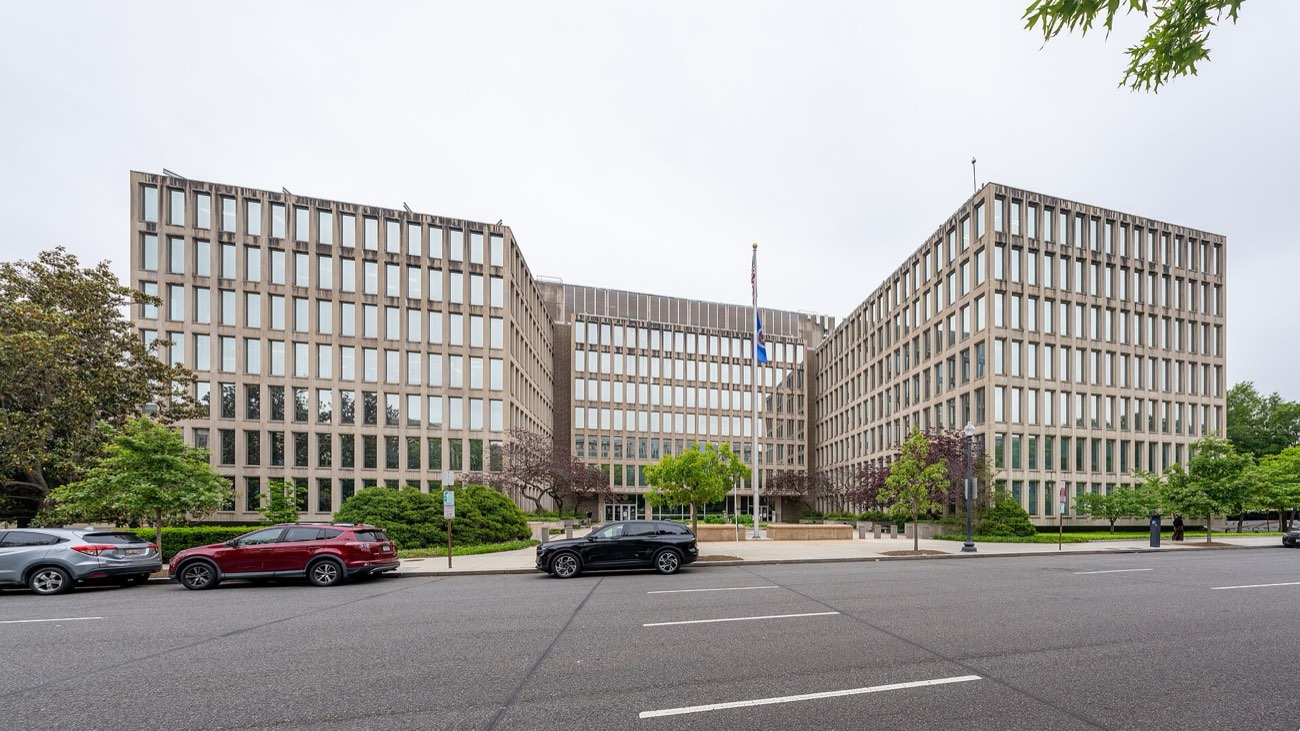
Electric, gas, water, sewer and steam accounts for any building with a meaningful utility bill: offices, apartments, campuses, hospitals, warehouses, restaurants and government space across Virginia and the District of Columbia. Every bill recomputed against the published tariff.
Utilities bill from systems that make errors routinely and correct them rarely. Our work is to read every line, recompute it, and pursue what is owed.
Twenty-four to thirty-six months of bills for every account in a building, recomputed against the applicable tariff and supply contract. Meter readings, multipliers, demand, rate classification, riders, taxes, credits, payments and balances are each verified. A written report is delivered within 48 hours of receiving the bills. There is no charge.
Where an error is found, we prepare the claim with the supporting arithmetic and tariff citation, submit it under your authorization, and follow the utility until the credit posts. You approve every submission. Our fee is twenty percent of amounts actually recovered, invoiced after the credit appears.
Each new bill is obtained the day it issues and checked against the tariff and against the same period of prior years. A one-page monthly statement per building identifies what changed, why, in dollars, and the action recommended. A flat monthly fee per building, or per account for campuses and portfolios. Suitable for purchase-card procurement.
Confirmation that each account sits on the most favorable available rate schedule and that supplier invoices conform to contract pricing, term and pass-through provisions. Performed as part of every audit and repeated at each tariff revision.
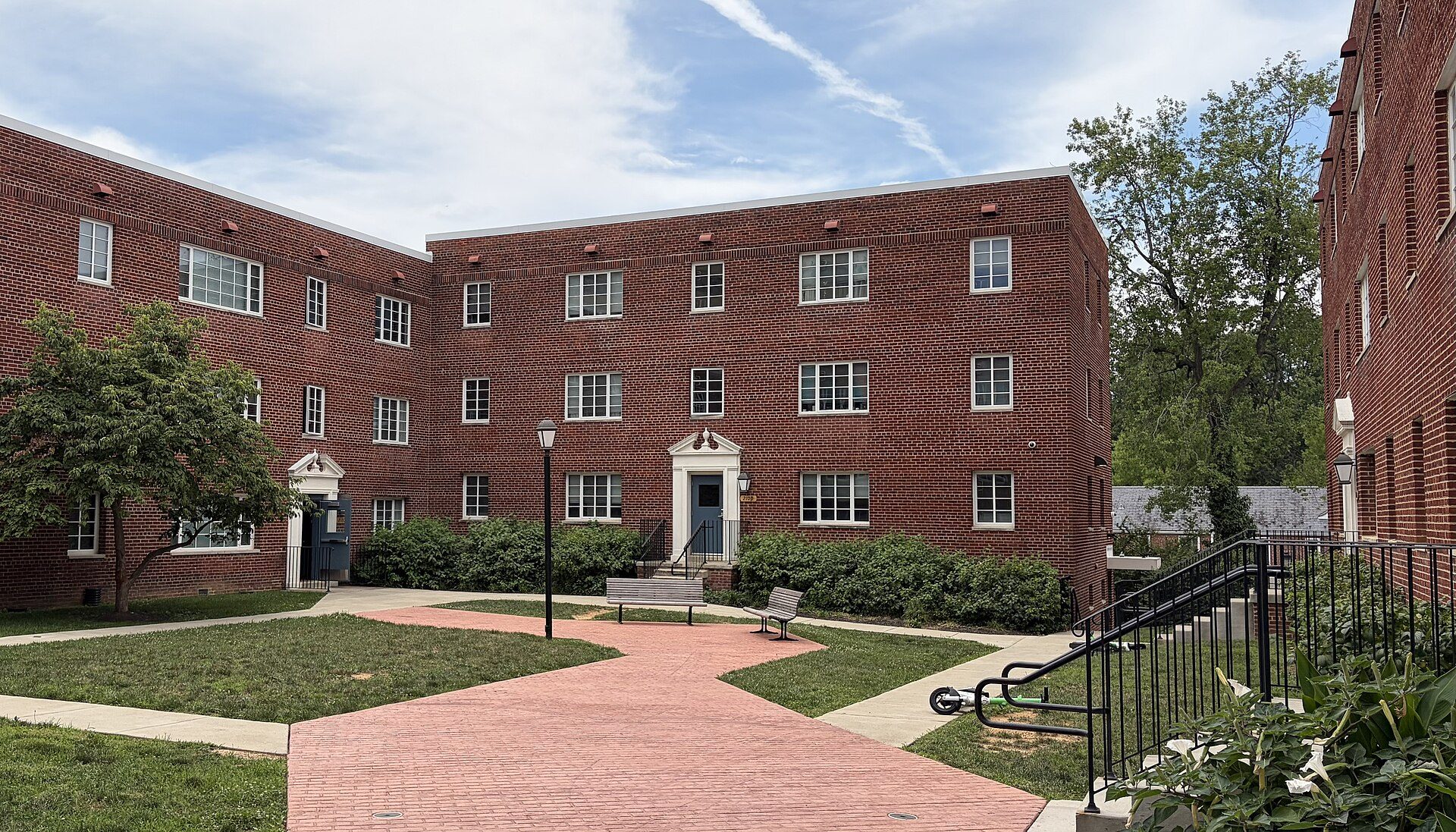
Apartment communities and student housing, property portfolios, condominium associations, restaurants, retail, private schools and nonprofits. Master-metered water and stormwater charges are the usual findings.

Campuses with hundreds of accounts, central plants, cooling towers and sewer credits, and tax exemptions that utilities routinely fail to apply.
Agency headquarters, field offices and leased space. Tax-exempt status, purchase-card procurement and multi-account buildings are where the largest errors occur. SAM.gov registration in progress.
The back-audit and the recovery fee are the engagement. Monthly analysis is optional: clients who add it have every new bill checked the day it arrives, and pay a reduced recovery fee on everything found. All three are priced to fit a purchase card.
Twenty-four to thirty-six months of bills for every account in one building, recomputed and reported in writing within 48 hours. Complimentary. If nothing is found, the report is yours and no fee is due.
Twenty percent of refunds and credits actually received as a result of our findings, invoiced only after the credit posts. Nothing on amounts not recovered. Reduced to 17.5% for clients on monthly analysis.
Every account in the building, checked the day each bill issues, with a one-page monthly statement of what changed, why, in dollars, and the action recommended. A flat monthly fee quoted for the building, set by the number of accounts and utilities; per-account pricing for campuses and portfolios. Invoiced quarterly in advance; cancel on thirty days' notice. Clients on monthly analysis pay 17.5% instead of 20% on every recovery, including the initial back-audit.
Eight errors that recur on commercial utility bills, with the amount at stake in a representative case. Illustrative: these describe the kinds of error an audit finds and are not recoveries by this firm.
| Where | Error | At stake |
|---|---|---|
| Electric supply | Commodity billed at double the contract price for three consecutive months | $180,000 |
| Water and sewer | Stormwater fee assessed on roughly 1,100 impervious-area units for a parcel that supports about 60 | $178,000 |
| Water and sewer | Account continues billing for a building the customer has sold | $170,000 |
| Electric | Payment received in full; only two-thirds of it credited to the account | $97,000 |
| Electric | Demand billed at twice the metered reading | $39,500 in one month |
| Electric | Late-payment charges accrued for years on an account paid on alternate months | $26,000 |
| Electric | Sales tax charged to a tax-exempt institution | $16,000 |
| Water and sewer | Cooling-tower evaporation credits never applied | $12,000 a year |
| Customer charge | 238.95 |
| On-peak energy · 141,633 kWh × $0.014194 | 2,010.34 |
| Maximum demand · 3,679.20 kW × $14.49 | 53,311.60 |
| Off-peak energy · 175,071 kWh × $0.014194 | 2,484.96 |
| Delivery charges as billed | 79,078.08 |
The interval meters recorded a peak of 1,839.6 kW. The bill applied exactly twice that figure. Recomputed under the tariff, delivery charges are $39,539.04, an overcharge of $39,539.04 in a single month. A bill like this passes accounts payable because the total is plausible; it fails only when someone recomputes the demand line. This is the form every finding is delivered in: the bill, the tariff, the arithmetic.
Commonwealth Utility Audit's methods descend from a Washington-area utility bill practice that has audited accounts for federal agencies and universities since 1987. We have rebuilt that practice on modern tooling: bills are read automatically the day they issue, recomputed to the cent, and reviewed by a person before anything reaches you.

Mr. Zaloom founded the firm after training on thirty-eight years of records from the Washington practice from which its methods derive, and building the automated bill-reading and tariff-recomputation tools the firm now uses. He serves clients across Virginia and the District of Columbia.
He is a student pilot, which the firm mentions only because the temperament it requires, checklists, instruments, and numbers that reconcile, is the temperament this work requires.
Provide twenty-four months of bills, or execute a one-page letter of authorization and we will obtain them from the utility. A written audit follows within 48 hours. If nothing is found, the report is yours and no fee is due.
